Player Adaptations to Integrated Poker and Slot Systems Under Swedish Licensing Frameworks
Skriven av Zara Schulz · 2026-11-02
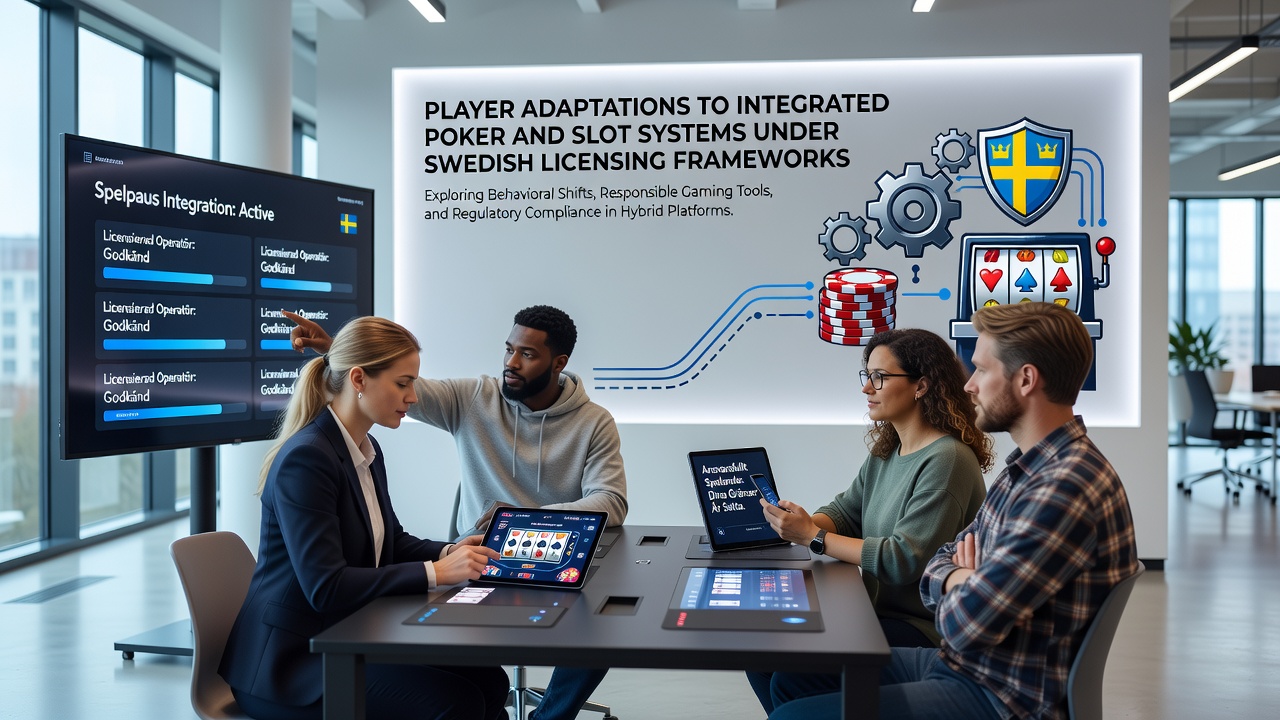
Player Adaptations to Integrated Poker and Slot Systems Under Swedish Licensing Frameworks
Swedish licensing frameworks require operators to maintain strict separation between game types while allowing limited integration features that combine poker decision points with slot-style random elements, and players have developed specific strategies to navigate these hybrid environments since the system took full effect. Data from Spelinspektionen shows steady growth in registered accounts using integrated products through 2026, with particular increases noted during regulatory compliance updates rolled out in the fall.
Core Requirements of Swedish Licensing for Hybrid Games
Operators holding Swedish licenses must submit detailed technical documentation that demonstrates how random number generators interact with player skill components without creating unauthorized gambling mechanics, and compliance teams routinely test these boundaries through simulated sessions that mirror real-user behavior. The framework mandates transparent payout structures and real-time reporting, which forces platforms to display live statistics on both poker hand outcomes and slot volatility within the same interface.
How Integration Changes Game Flow
Integrated systems typically insert short slot rounds between poker betting streets or award slot spins as side bets on community cards, and players who previously focused solely on odds calculation now allocate attention across multiple probability layers during a single session. Research from European gaming consortia indicates that session lengths have lengthened by measurable margins because the combined mechanics reduce decision fatigue through alternating cognitive demands.
Observed Shifts in Player Decision Patterns
Those who study user data on licensed Nordic sites report that participants adapt by developing tiered bankroll allocation methods, separating funds earmarked for poker skill edges from reserves designated for slot variance, while software tools provided by operators track these splits automatically. One case examined by analysts at a Nordic research institute found that users who switched between the two modes within the same game reduced their average loss rates compared with single-mode sessions, largely because the integration enforces mandatory pauses that interrupt momentum-driven play.
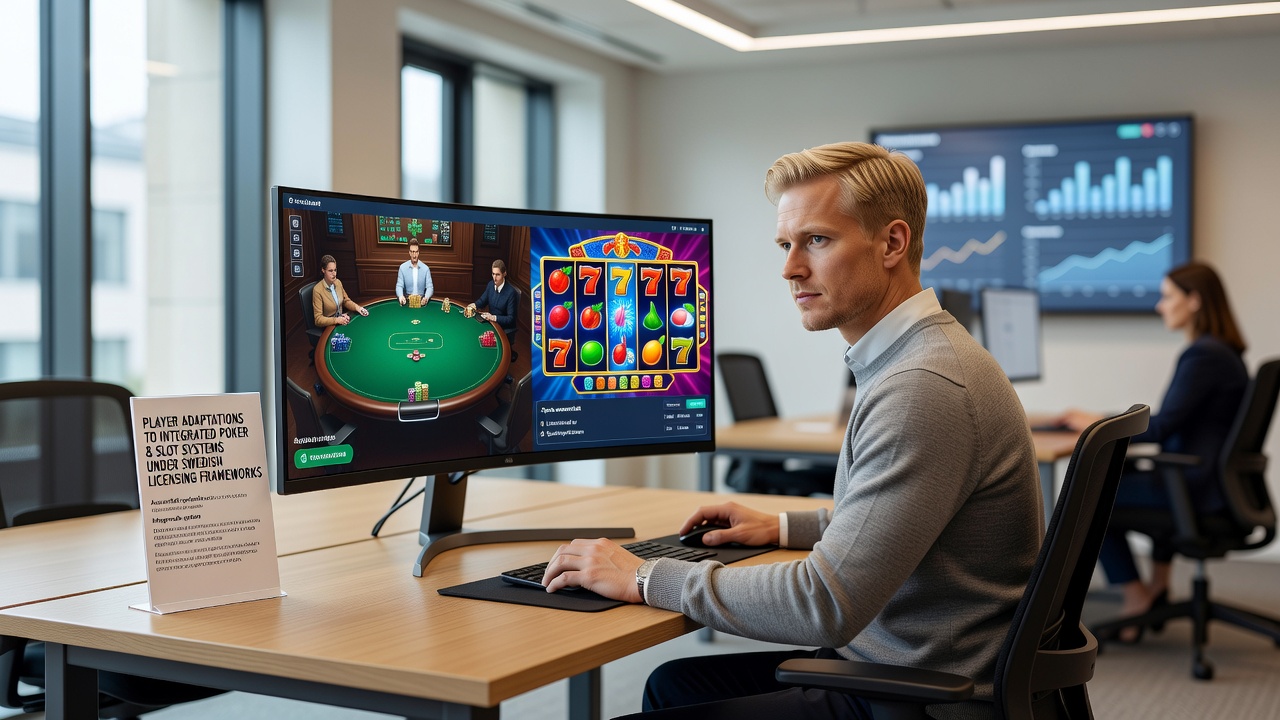
November 2026 brought additional reporting requirements that require platforms to flag when players exceed certain thresholds across both game types simultaneously, prompting many users to install personal tracking extensions that export data for independent review. These adaptations reflect responses to clearer regulatory signals rather than voluntary preference.
Technological Tools Supporting Adaptation
Licensed operators deliver built-in dashboards that calculate combined expected value across poker and slot segments, and players who master these interfaces often adjust bet sizing based on cumulative volatility scores displayed in real time. External applications approved for use on Swedish platforms allow export of hand histories and spin results into unified spreadsheets, enabling detailed post-session analysis that was previously fragmented across separate products.
Responsible Gambling Features in Hybrid Environments
Swedish regulations require integrated games to trigger loss-limit notifications that account for total exposure across both mechanics, and operators have implemented color-coded alerts that intensify when a player nears daily or weekly caps. Data compiled by industry monitoring groups shows higher engagement with these tools when they appear within the same screen rather than as separate pop-ups, because the unified display reduces the chance that users overlook cumulative spending.
Conclusion
Swedish licensing frameworks continue to shape how players interact with integrated poker and slot systems through mandatory transparency measures and real-time reporting obligations, while user adaptations center on refined bankroll segmentation, tool-assisted analysis, and attention to combined volatility metrics. Figures released in late 2026 confirm ongoing adjustments in session behavior as operators refine compliance features, and those patterns remain directly tied to the specific requirements enforced by Spelinspektionen and aligned European standards.